Artificial Grass Installation: The Sustainable Alternative for Your Lawn
Artificial turf setup constitutes a viable alternative for homeowners looking for a sustainable yard answer. Its durability and reduced upkeep requirements offer major benefits over standard grass. As water preservation grows increasingly important, synthetic grass acts as an effective answer to environmental challenges. Nevertheless, the determination to place synthetic turf entails numerous factors that warrant comprehensive analysis. Which aspects must property owners assess before making the shift to this green alternative?
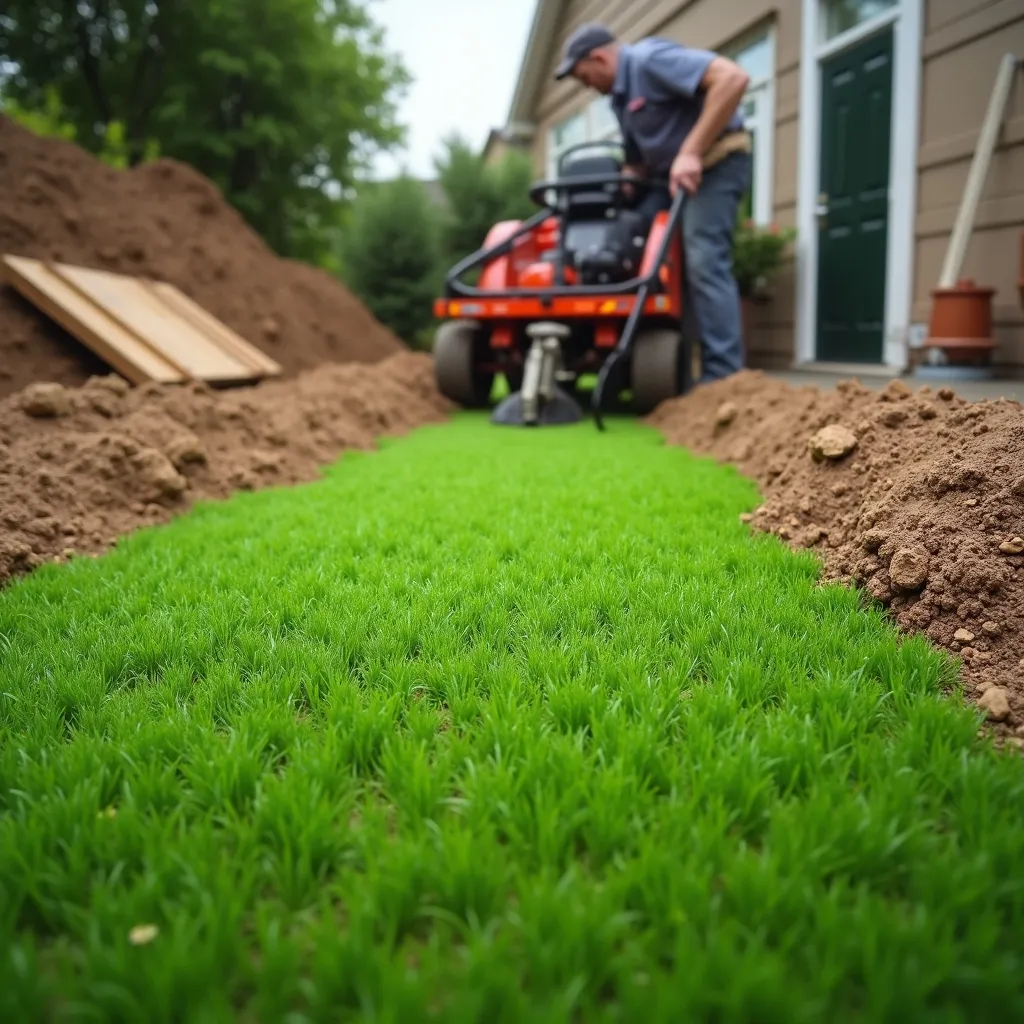
Grasping Synthetic Turf: Main Attributes and Gains
Synthetic turf has developed into a popular alternative to natural grass, offering numerous strengths for multiple applications. One of its essential qualities is endurance; synthetic grass can withstand heavy foot traffic and extreme weather conditions without weakening. This resilience makes it an ideal choice for sports fields, playgrounds, and residential lawns.
Furthermore, synthetic turf needs minimal upkeep in comparison to natural grass. There is no need to perform mowing, watering, or fertilizing, generating significant time and cost economies for homeowners and facility managers alike.
Moreover, artificial grass is eco-friendly, as it saves water and removes the need for harmful pesticides and fertilizers.
Advanced developments have enabled synthetic turf to mimic the appearance and feel of natural grass, offering aesthetic appeal without the drawbacks. These features collectively make synthetic turf a viable and attractive option for a wide range of uses.
Installing Synthetic Turf: A In-Depth Tutorial Guide
When examining the advantages of synthetic turf, the next logical step is grasping the installation process.
The initial phase involves site conditioning, which encompasses clearing the area of existing grass, weeds, and debris. Next, a foundation of gravel or aggregate is laid to ensure proper drainage and firmness. Following this, a fabric barrier is positioned to inhibit unwanted plant growth.
After creating the base, the synthetic turf rolls are laid out and arranged, allowing for proper alignment. The edges are secured with stakes or adhesive, ensuring a seamless appearance.
After placement, a coating of filler material, such as rubber or sand, is laid uniformly to offer weight and support. Finally, the turf is swept to elevate the strands and produce a natural look.
Implementing these steps delivers a durable, low-maintenance lawn that strengthens both aesthetics and usability.
Why Select Synthetic Turf? Ecological and Functional Benefits?
Installing synthetic turf provides numerous practical and environmental advantages that render it an attractive option for many homeowners and businesses. One major advantage is water conservation; synthetic grass eliminates the requirement for routine irrigation, which is especially advantageous in arid regions.
Furthermore, it diminishes the reliance on dangerous pesticides and fertilizers, promoting a stronger ecosystem.
From a practical resource practical position, man-made grass requires slight attention, economizing on time and money on lawn care. It remains thick and green throughout the year, providing a consistent aesthetic appeal without periodic shifts.
Furthermore, synthetic turf is durable, equipped to handle heavy foot traffic and various weather conditions, making it ideal for both residential and commercial applications.
These properties not only optimize the usability of outdoor spaces but also further long-term sustainability, offering synthetic turf as an appealing alternative for environmentally conscious consumers.
Critical Aspects for Synthetic Turf Implementation
Several factors must be considered before starting synthetic turf installation. First, it is essential to assess the planned purpose of the area. Different types of synthetic turf are created for specific activities, such as sports or residential outdoor design.
Second, the local weather patterns should be reviewed; some materials may handle heat better than others.
Site readiness is another important aspect, requiring adequate water management and a even foundation to guarantee longevity and performance. Additionally, possible local regulations or HOA standards may affect installation decisions.
Selecting the appropriate infill material is crucial for longevity and ease, as it impacts both the appearance and texture of the turf.
In conclusion, choosing a reputable installer can greatly shape the excellence and persistence of the installation. By tackling these points, dwellers can reach knowledgeable decisions that best suit their needs and enhance their garden spaces.
Preserving Your Synthetic Turf Lawn in Top Condition
Maintaining a synthetic turf lawn requires a consistent cleaning schedule to guarantee its longevity and appearance.
Regular upkeep includes addressing any damage and utilizing repair techniques as needed.
Stick to a routine housekeeping plan
A regular maintenance plan is crucial for preserving the look and durability of synthetic turf lawns. Routine upkeep helps avoid debris buildup, reduces odors, and improves aesthetic appeal.
Homeowners should aim to remove leaves, twigs, and other natural debris at least once a week, especially during fall. Additionally, washing the turf with water each month can help eliminate dust and allergens, ensuring a fresh look.
Busy regions could benefit from ongoing care to maintain the durability. In colder months, winter accumulation should be thoroughly cleared to prevent damaging the fibers.
Spotting and Fix Tips
Identifying and tackling issues quickly is crucial for preserving the quality of synthetic turf lawns. Regular inspections should be performed to spot signs of wear, such as tears, fraying, or irregular surfaces.
When a problem is detected, prompt action is essential. Minor tears can be repaired using specialized adhesive or turf tape, providing a strong bond without damaging appearance. For larger issues, professionals may be needed to replace sections of turf.
In addition, preserving the base material intact is important; any shifting can result in further complications. Regular brushing helps maintain an even appearance and can also reveal underlying problems.
Cost Evaluation: Synthetic Turf vs. Natural Grass
When comparing the expenses of artificial grass to real grass, initial installation expenses play a significant role.
Additionally, extended upkeep expenses can greatly influence the overall financial commitment of each option.
A detailed review of these elements demonstrates vital information for prospective buyers.
Starting Setup Fees
Installation charges represent an important consideration in the decision-making process for homeowners and municipalities examining synthetic turf versus natural grass.
Typically, the initial expenses for synthetic turf can range from $5 to $20 per square foot, depending on quality and installation complexity. In contrast, natural grass installation usually costs between $1 to $2 per square foot.
However, the complete investment in natural grass can increase markedly due to soil conditioning, irrigation systems, and ongoing upkeep demands.
Homeowners and municipalities must assess these initial costs against the potential long-term benefits of man-made grass, such as minimized water needs and lower maintenance requirements.
Ultimately, understanding these costs helps with making informed, eco-friendly landscaping choices.
Sustained Repairs Expenditures
Long-term maintenance expenses prominently affect the overall financial efficiency of synthetic turf compared to natural grass.
Natural grass calls for constant expenses, encompassing scheduled mowing, nutrient treatment, consistent moisture, and disease and pest treatment, which can mount rapidly over time. Homeowners may spend hundreds to thousands of dollars per annum to upkeep a thriving grass landscape.
Similarly, synthetic turf demands negligible care, chiefly occasional cleaning to get rid of waste. Despite the initial cost in artificial grass being higher, the reduced overall financial burden render it an appealing alternative.
Moreover, synthetic turf reduces water bills tied to irrigation, additionally improving its affordability over time.
In the end, the monetary benefits of artificial grass care can lead to significant cost reductions for homeowners over time.
Debunking Common Myths About Synthetic Turf
Although numerous individuals maintain misconceptions about synthetic turf, grasping the truth can lead to informed choices. One prevalent myth is that synthetic turf is damaging to the environment; however, many products are made from recycled materials and are designed to be long-lasting, reducing waste.
Another widespread idea is that synthetic turf needs excessive heat management, but modern installations often feature effective cooling technologies that minimize temperature issues.
Furthermore, some opponents maintain that artificial grass encourages synthetic chemicals; yet, progress in materials have markedly minimized the necessity for harmful infill substances.
Finally, the notion that synthetic grass cannot support biodiversity is misleading; many installations can exist alongside with native plants, offering habitats for local wildlife.
Regularly Posed Questions
How Extended Does Synthetic Turf Endure Before Requiring Replacement?
Synthetic turf generally remains viable between 15 to 25 years before needing replacement. Aspects influencing longevity include quality, maintenance methods, and climate conditions, which can greatly influence its endurance and operational effectiveness over time.
Finding Out Whether Companion Animals Can Safely Utilize Synthetic Turf?
Pets can safely use synthetic turf, as it is engineered to be durable and non-toxic. Regular upkeep guarantees hygiene, making it a sensible option for pet owners looking for a low-maintenance, enjoyable outdoor space for their animals.
Will Artificial Grass Capture Heat When the Weather is Sunny?
Yes, synthetic grass does retain heat in sunny conditions, significantly increasing surface temperatures. This can cause discomfort for both animals and people. Regular irrigation or selecting lighter-colored turf can help minimize this heat absorption.
What Are the Options for Artificial Grass Colors and Designs?
Artificial turf options comprise multiple color options, including vibrant greens, earthy browns, and specialty shades. Patterns extend from realistic imitations of natural grass to decorative designs, appealing to diverse design tastes and practical uses.
What Effect Does Synthetic Turf Have on Area Wildlife?
Synthetic grass can disrupt local wildlife by altering ecosystems and reducing natural nutrition availability. Its inflexibility may deter certain species from nesting or foraging, potentially resulting in reduced species diversity in the affected areas.